section
Planetary Power Artifacts
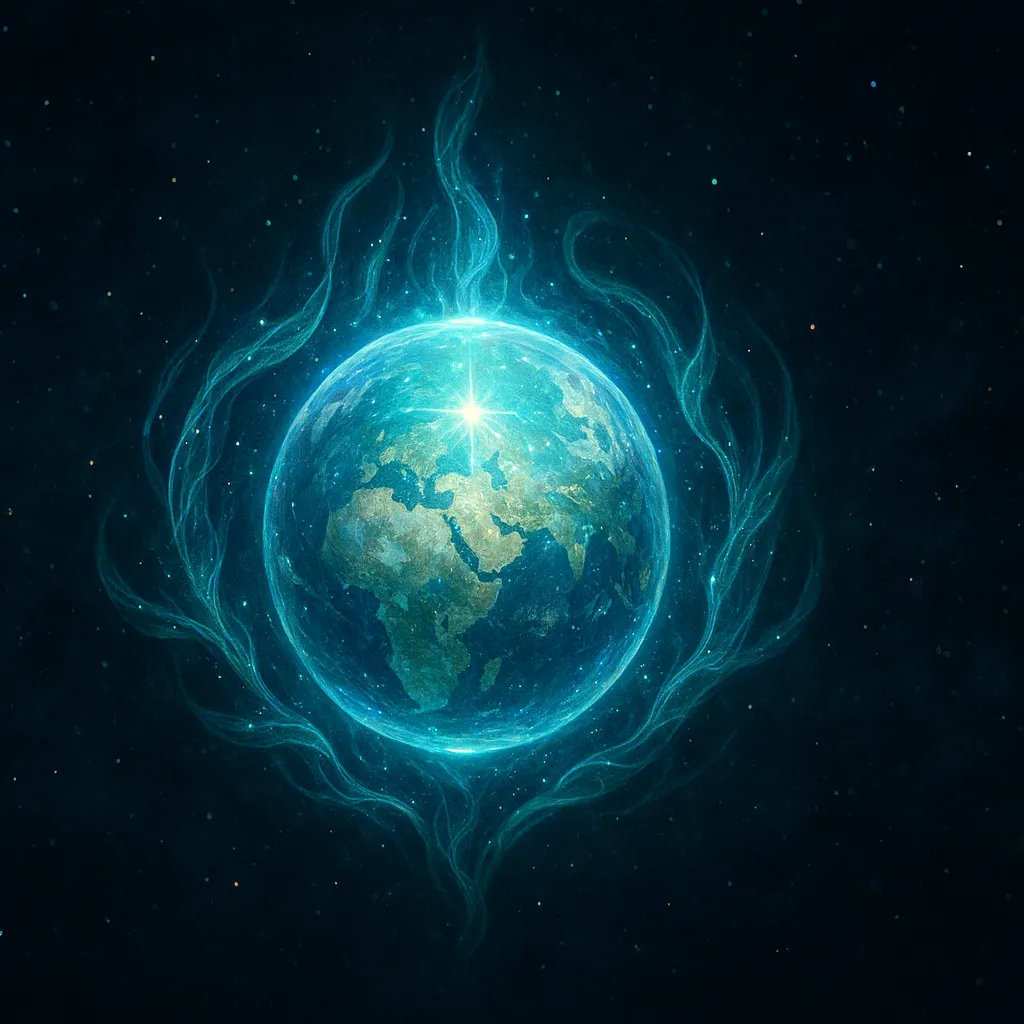
Collection of power concepts, both in the game and reality.
These powerful artifacts are believed to harness energy from a planetary power source, intended to promote peace and protection.
1 min read
Unraveling the Psychosis Strings
Brian’s physical being bends under deliberate tampering, blurring the line between choice and predestined chaos provided by a former friend.
A core theme is the struggle between free will and determinism. Charles’ manipulation of Brian’s reality questions the nature of choice, trapping Brian between preordained outcomes and the illusion of control, with the fundamental detail that Charles’ observation methods alone prevent Brian from confidently looking for a future employer, knowing that fundamentally a privacy invasion was apparent, with no concent or any sort of agreement — however, that too is a motive in Charles’ game, as his “psychosis” motive orbits around his fundamental flaw — meth powers don’t exist. Charles smoked too much meth.
Brian’s reality exhibits signs of deliberate interference—physical disruptions like a leaky faucet, alongside digital anomalies resembling black holes and wormholes, as if orchestrated within a video game.
These manipulations seem aimed at reshaping potential pasts and futures, influenced by Brian’s choices, while maintaining a narrow “window” for surveillance and control. This interference risks causing collateral damage.
The distortions affecting Brian extend to others, coercing individuals into hollow versions of themselves against their free will. If these distortions manifest as x-rated content, the manipulation escalates to a national public health emergency. Such deception and exploitation necessitate immediate law enforcement intervention to prevent further harm and protect personal autonomy.
Charles’ manipulations mirror the recursive nature of the “look-and-say” sequence (cataloged A005150), where each iteration is shaped by the one before it. Charles attempts to predict or time reality based on this to describe a methamphetamine “spiral”. Fittingly, 5150 — the code for involuntary psychiatric hold — reflects his delusions of control and deteriorating mental state.
Through substance contamination, fabricated realities, and constant surveillance, Charles Weyand systematically undermines Brian’s autonomy. Charles’ god complex unravels under the weight of his distorted logic, flawed perceptions, and compromised cognition. His grip on reality is nothing more than a 5150-level delusion — spiraling chaos fueled by his own fractured mind. Ironically, while clinging to the peace and protection program as his primary motivation, Charles turns it into collateral damage. His singularity collapses inward, driven by the gravity of his unraveling psyche.
In "Final Thoughts"
In "Final Thoughts"